





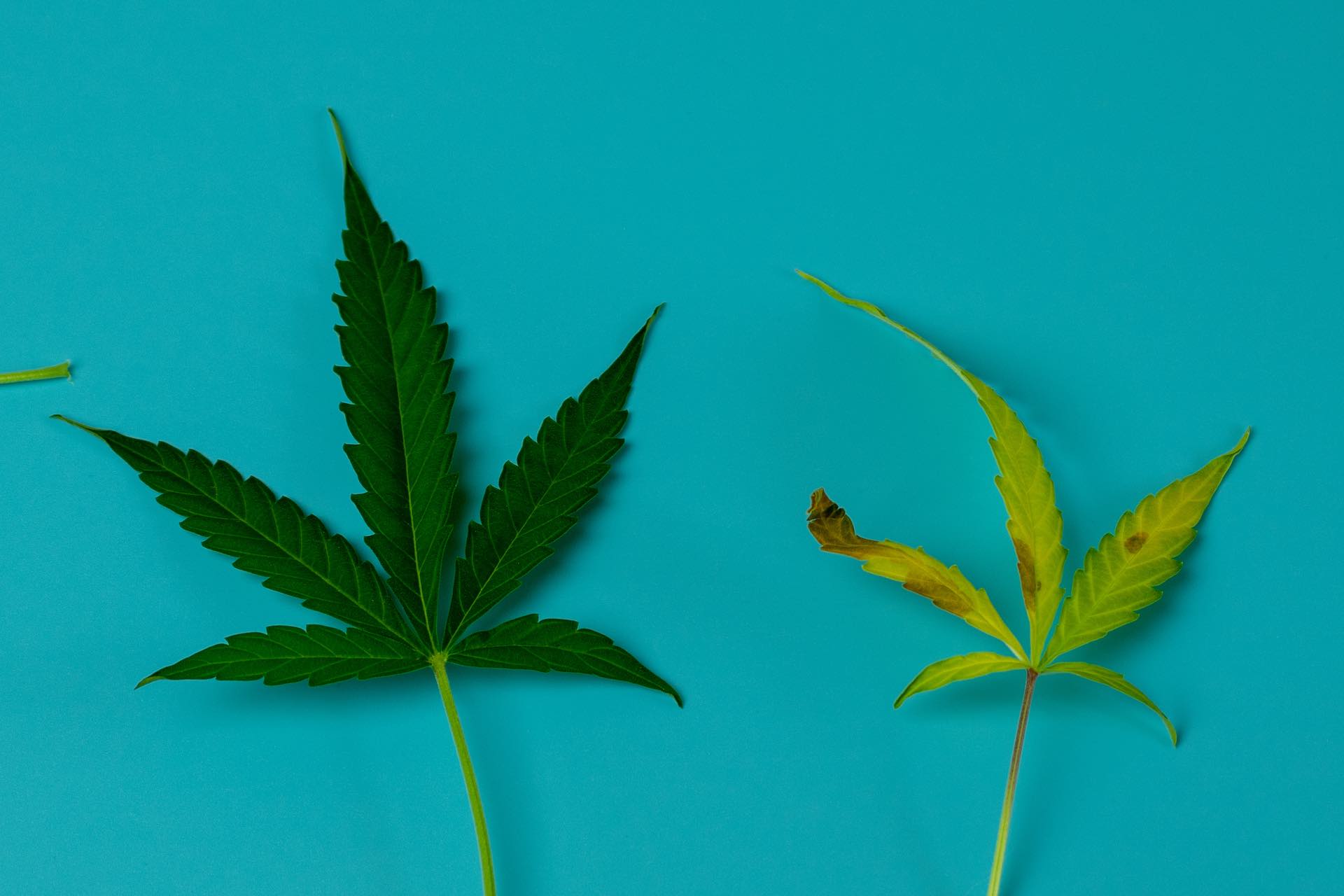

Understanding the indications of nutrient shortage is necessary for growing weed. Take a look at our resource on what nutrients marijuana plants require, and here we’ll speak about how to recognize and fix nutrition shortages.
Determining marijuana nutrient shortages
When marijuana plants do not get the right quantities of nutrients, they end up being stressed out and more vulnerable to bugs, mold, and other pathogens. Their development might likewise be stunted, leading to lowered yields.
Signs of nutrient shortage typically present as staining in leaves, so discovering how to recognize and deal with these marijuana leaf issues and shortages can assist your plants grow.
Getting the best pH for cannabis plants
Cannabis plants can just soak up nutrients through their roots if the soil or other grow medium has the right pH. If conditions are too acidic or too alkaline, particular nutrients will not be readily available to roots. Over-fertilizing plants can rapidly cause pH issues and nutrient lockout.
Prior to trying to identify any nutrient shortage, test the pH of your water, as it can differ commonly depending upon the source. It needs to be in between 6.0-7.0.
Then, inspect the pH of your soil or other grow medium.
- Soil: 5.8-6.8
- Hydroponics: 5.5-6.5; most hydroponic nutrient brand names will show a perfect level for their item
If the pH is right, your plants might have a nutrient shortage.
Mobile and stable nutrients for marijuana plants
Nutrients are categorized as mobile or stable depending upon whether they can be translocated as soon as they have actually been completely absorbed by the plant. A mobile nutrient saved in the older leaves of the plant can be relocated to fix a shortage in another part of the plant. Stable nutrients will stay really near to where they were at first transferred.
Mobile nutrient shortages will reveal signs in older marijuana leaves at the base of the plant, while stable nutrients will reveal the very first indications of shortage in more recent development on top and external branches of the cannabis plant. Understanding which nutrients are mobile and stable will assist you identify possible shortages.
Vital nutrients for cannabis plants and signs of shortages
Cannabis plants require numerous necessary nutrients, so make sure to watch on these indications and visual hints that might show a prospective shortage.
Nitrogen shortage in marijuana
The most typical nutrient shortage in marijuana, nitrogen (mobile) is necessary throughout the life of a plant, however particularly throughout vegetative development.
Nitrogen shortage signs consist of:
- A total lightening and after that yellowing in older, fully grown leaves, particularly near the base of the plant
- Extreme shortage will see ongoing yellowing advancing up the plant, with possible staining and brown areas at leaf margins; ultimately leaves curl and drop
- Reduced bud websites and early blooming with considerably lowered yields
Phosphorus shortage in marijuana
Phosphorus (mobile) is necessary for photosynthesis and the release of saved energy in carbs. While this shortage is unusual– generally establishing due to pH being above 7.0– the outcome can be devastating for young plants and cause stunted development, postponed blooming, low yields, and bad resin production in fully grown plants.
Phosphorus shortage signs consist of:
- Purpling of the leaf stems on older leaves, followed by leaves handling a dark blue-green color
- As shortage advances, both upward and outside development slows dramatically; blackish-purple or dark copper colored areas appear on leaves and dead areas establish on leaf stems while leaves curl and drop
- Often leaves turn metal purple or dark bronze in color
Potassium shortage in marijuana
Important to the production and motion of sugars and carbs, potassium (mobile) is likewise essential to the procedure of cellular division along with transpiration, root development, and water uptake.
Basically, without it plants can’t grow. Nitrogen shortage causes increased internal temperature levels in the foliage of the plant, which triggers the plant to vaporize more wetness through its leaves to cool off.
Potassium shortage signs consist of:
- Dull, extremely green leaves, followed by burnt-looking rusty-brown leaf suggestions, chlorosis (yellowing), and brown areas, especially on older leaves
- More shortage programs in leaf burn, dehydration, and curling of more youthful development
- Left untreated, potassium shortage will lead to weak plants, high vulnerability to insects and illness, and dramatically lowered blooming
Calcium shortage in marijuana
Vital to cell stability and development, calcium (stable) help the circulation of nitrogen and sugars through the plant. Calcium shortages in marijuana are generally discovered in hydroponic grows or outdoors in really damp, cool environments with acidic soil.
Calcium shortage signs consist of:
- Lower leaves curl and misshape, followed by irregular brownish-yellow areas with brown borders that grow with time
- Root suggestions will begin to wither and pass away, and the plant will end up being stunted with reduced yields
Magnesium shortage in marijuana
Magnesium (mobile) is the main atom in every particle of chlorophyll, suggesting that plants utilize it in really high quantities. It is important for taking in energy from light, along with assisting enzymes produce carbs and sugars that produce flowers.
Magnesium shortage signs consist of:
- Plants will disappoint indications of a magnesium shortage till 3 to 6 weeks after it has actually started, at which point you’ll see locations in between the veins of older leaves turn yellow (interveinal chlorosis) and the development of rust colored areas
- These signs will advance through the entire plant, with more and bigger areas establishing in the interveinal locations along with suggestions and margins of leaves
- Some leaves will curl, pass away, and drop, while the entire plant looks sickly and saggy
- Signs of magnesium shortage will rapidly intensify throughout blooming, causing a lowered harvest
Sulfur shortage in marijuana
Vital to plant respiration and the synthesis and breakdown of fats, sulfur (semi-mobile) plays a substantial part in the production of oils and terpenes. It is unusual to see a sulfur shortage in marijuana, however these shortages are generally the outcome of a loss of phosphorus due to a high pH level in the root zone.
Sulfur shortage signs consist of:
- Young leaves turn lime green then yellow with stunted development, followed by yellowing of leaf veins, drying, and brittleness
- Continued shortage lead to sluggish, weak flower production with decreased effectiveness
Copper shortage in marijuana
Required just in trace quantities, copper (semi-mobile) help in nitrogen fixation, carb metabolic process, and oxygen decrease. This shortage is uncommon.
Copper shortage signs consist of:
- Very first signs are seen in the sluggish wilting, twisting, and turning of brand-new development
- Dead areas appear on leaf suggestions and margins, and in some cases the entire plant wilts
Iron shortage in marijuana
Iron (semi-mobile) is necessary for nitrate and sulfate decrease and assimilation, and a driver for chlorophyll production. Iron shortages are generally the outcome of incorrect pH levels or excess levels of manganese, zinc, or copper.
Iron shortage signs consist of:
- Preliminary signs appear in more youthful development, with interveinal chlorosis revealing at the base of brand-new leaves
- Signs then advance through the leaves and into older development, with total yellowing in between leaf veins
Manganese shortage in marijuana
Manganese (stable) assists make use of nitrogen and iron in chlorophyll production along with assisting in oxygen decrease. Manganese shortage is uncommon and generally triggered by high pH or an excess of iron.
Manganese shortage signs consist of:
- Similar to other stable nutrients, signs begin in brand-new development, at first revealing interveinal chlorosis followed by lethal areas, slowly infecting older leaves
- The most apparent indication is when leaf margins and veins stay green around the yellowing of the interveinal locations
Molybdenum shortage in marijuana
A gamer in 2 significant enzyme systems that transform nitrate to ammonium, molybdenum (mobile) is utilized by marijuana in really percentages. Zinc shortages are uncommon and can take place as the outcome of winter.
Molybdenum shortage signs consist of:
- Older leaves yellow, in some cases establishing interveinal chlorosis and staining at leaf edges
- Ultimately leaves cup and snuggle prior to twisting, passing away, and dropping
Zinc shortage in marijuana
Zinc (stable) is important for sugar and protein production, along with the development and retention of chlorophyll and healthy stem development. Shortage is rather typical, particularly in alkaline soils and dry environments, and is generally the outcome of high pH levels.
Zinc shortage signs consist of:
- Young leaves and brand-new development display interveinal chlorosis, with little, thin leaf blades that wrinkle and misshape
- Leaf suggestions will tarnish and burn, followed by leaf margins and after that brown areas
- The most apparent indication is leaves that turn 90 degrees sideways
What is nutrition lockout and how to repair it
Nutrient lockout happens when marijuana plants can’t use up nutrients from the soil. There are 2 main reasons for nutrient lockout:
- Marijuana plants are oversaturated with nutrients, especially chemical fertilizers with a high salt material
- Inappropriate pH levels in the soil, water, or nutrient services
When plants initially reveal indications of nutrient lockout, you’ll require to act rapidly to reverse it and maximize nutrients, otherwise, they will start to wither and can pass away.
How to recognize nutrient lockout in marijuana plants
Nutrient lockout will look like a nutrient shortage– plants will be weak and lightweight with stunted development. Any yellowing or curling of the leaves likewise show that the plant is experiencing nutrition lockout. Marijuana plants might appear like they do not have adequate nutrients when in truth they have actually been provided excessive.
When recognizing nutrition lockout, test the pH of your water, as it can differ commonly depending upon the source. It needs to be in between 6.0-7.0. When the pH is expensive or too low, nutrition accessibility plummets and your plants can’t soak up nutrients.
If pH is off, you can raise or decrease it with pH Up or pH Down.
Then, inspect the pH of your soil or other grow medium.
- Soil: 5.8-6.8
- Hydroponic services: 5.5-6.5; most hydroponic nutrient brand names will show a perfect level for their item
How to repair nutrient lockout in marijuana plants
As soon as you have actually determined nutrient lockout:
- Stop providing plants nutrients
- Flush plants with only water to maximize nutrients– flood pots with fresh, pH-balanced water to break down and complimentary salt accumulation and clear paths for nutrient absorption
After a flush is carried out, plant root systems will be totally filled. The soil requires to dry prior to watering once again to enable roots to breathe and to prevent root rot.
Water with simply water for a couple of more cycles prior to presenting nutrients once again.
How to avoid nutrient lockout in cannabis plants
There are a couple of methods to avoid nutrient lockout in marijuana plants:
- Examine pH levels routinely. Examine this each time you water. If pH is off, you can utilize pH Up or pH Down.
- Usage natural nutrients. Chemical fertilizers are salt-based, which tend to trigger nutrient lockout. Search for nutrients with a low salt material or adhere to natural nutrients solely.
- Flush marijuana plants. If utilizing a great deal of nutrients, make the effort to flush your garden.
Leaf septoria on cannabis plants

Leaf septoria is a harsh-looking illness that appears initially on lower branches and triggers delegates scab and yellow. It happens in summertime when heats integrated with rains or wetness from watering leave foliage damp. Nitrogen shortages can likewise work as a driver for the illness.
Although leaf septoria will not eliminate your plants, it will lower yields. As soon as you see the infection, it is essential to get rid of and get rid of the leaves. Spraying plants with Bacillus subtilis fungicides can likewise assist slow the spread of the illness.
How to avoid leaf septoria on marijuana
To avoid or lower the possibility of leaf septoria:
- You should have a tidy garden area with healthy soil. If you have a break out, you might require to change the growing medium prior to planting once again.
- Tidy your whole area if growing inside your home.
- Usage drip lines to water plants so leaves do not get damp.
- Area plants further apart to keep wetness off plants and humidity down.
In addition, genes play a substantial function in determining just how much an illness can impact a plant. Keep in mind how resistant to an illness particular pressures are and adhere to strong, steady ones.
Trevor Hennings added to this post.
Read the full article here